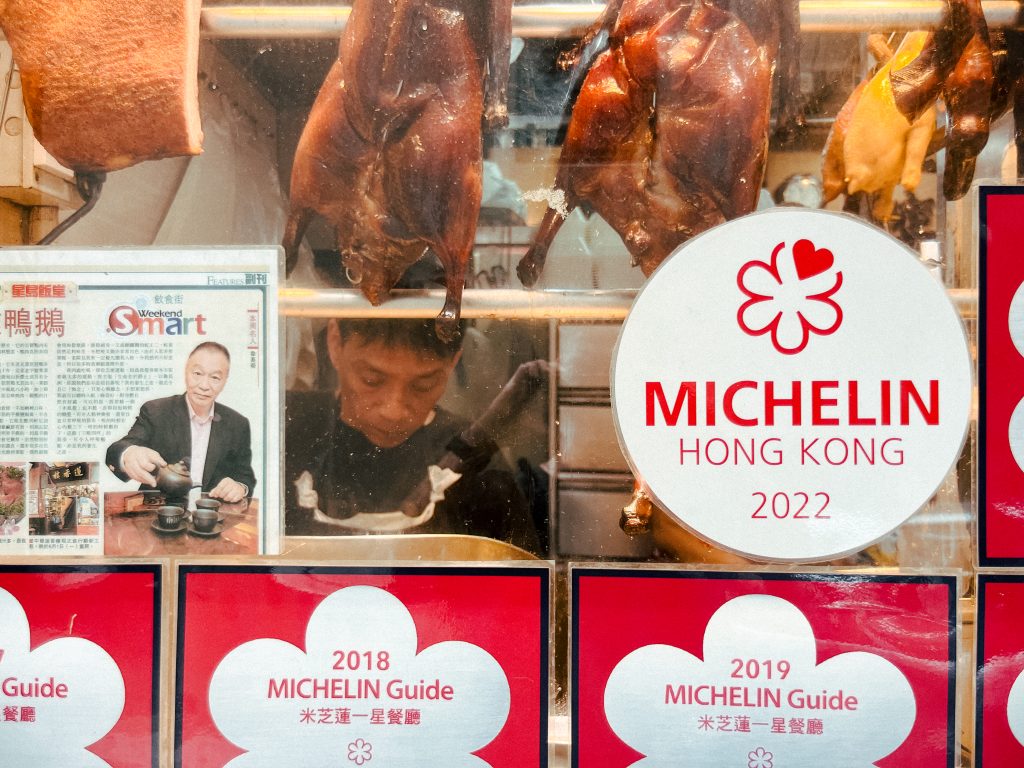
Who doesn’t love to see a Michelin Bib Gourmand sticker in a restaurant window? Strip back the pretension and price of a Michelin starred restaurant, and just get the best food with a casual vibe. Hong Kong took this to a new level.
While the city is far from cheap – I still shudder to think of paying £10 for a 400ml beer – some of the best restaurants are absolutely not. Over our four days in Hong Kong, we balanced out the expensive activities and drinks with the cheapest of eats and best of food.
Before we get to the main event – if you’re looking for decent value (by Hong Kong standards I suppose) well-located accommodation in Hong Kong, we stayed at Bishop Lei International House right on the cusp of Central, though technically in Mid-Levels. The hotel is in a nice quiet area surrounded by greenery, but a 5 minute walk away is the Mid-Level Escalators which you can use to descend into the increasingly busy and urban Central district. Such a nice way to start your day in Hong Kong! We paid £139/night before cashback for ultra peak time of New Year’s 2023 into 2024, but taking a look now the price is closer to £100/night for non-peak dates.
There are a plethora of ultra cheap, authentic, Bib Gourmand (and sometimes Michelin Starred) restaurants in Hong Kong from which to choose.
We love down-to-earth, good value, traditional spots with excellent food. So Hong Kong did us proud. Here are the places we went.
Yat Lok (Central) – best roast goose in Hong Kong
This was the first restaurant we visited on our trip to Hong Kong. It was not the cheapest of the lot. Not a breakfast place, we went before noon and there was still a line of people waiting to sit down.
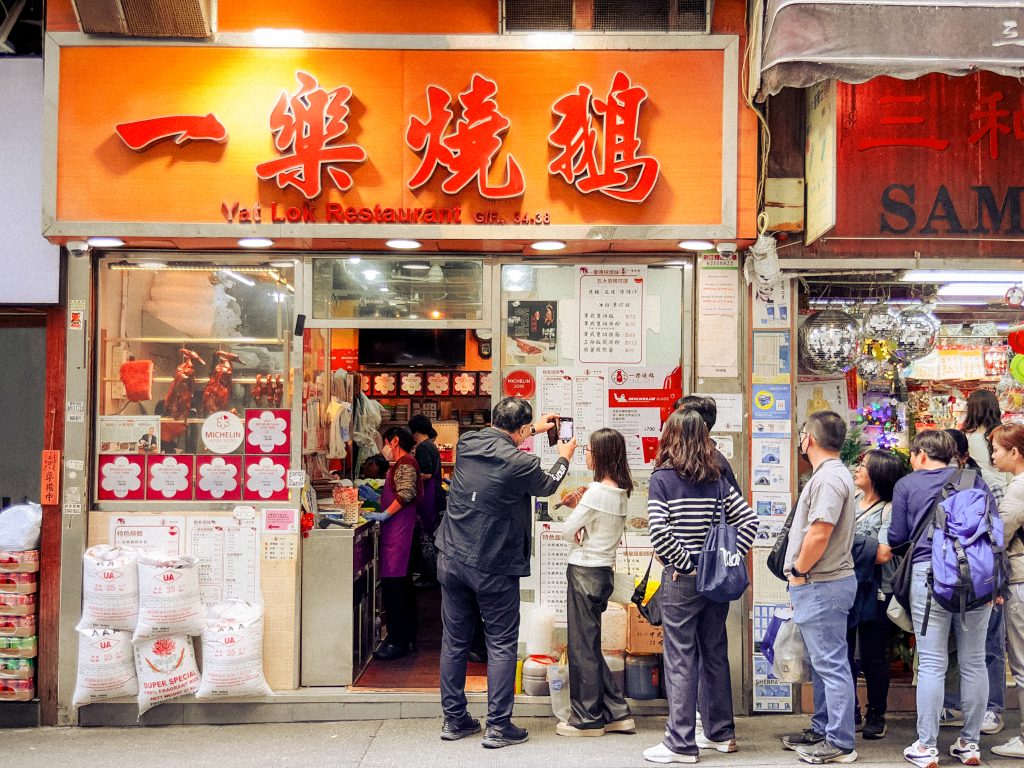
Yat Lok is a Michelin Starred joint, but not like some you may have visited. It’s been around since 1957 and has a very casual, traditional, cafe-like vibe.
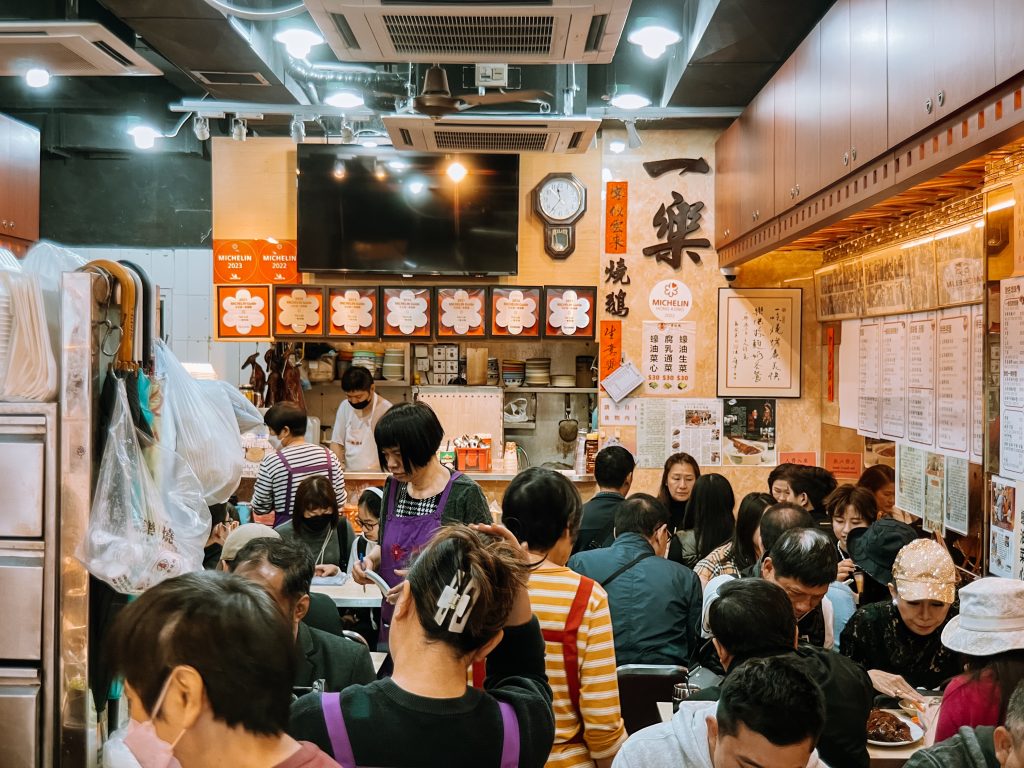
Famous for their roast goose, we shared a portion of this as well as a poached chicken served over lo mein and a side of rice. I wasn’t wild about smoked goose for breakfast, but it was truly delicious and rightly known to be some of the best food in Hong Kong. The poached chicken was also good but not next level.
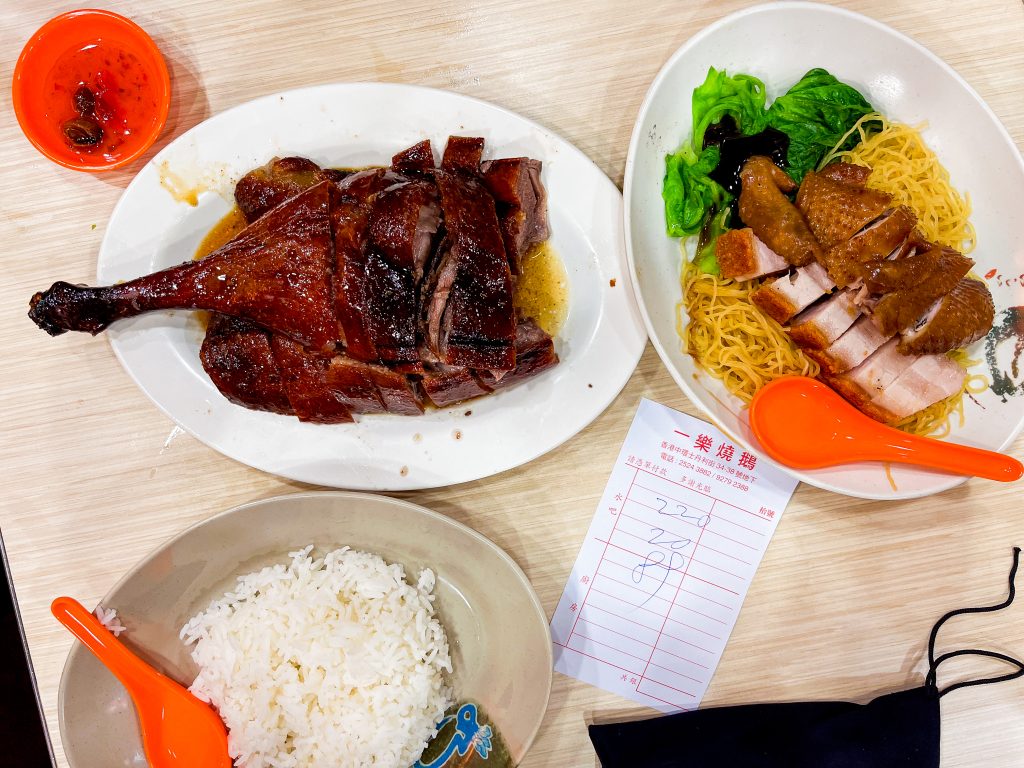
If you’re partial to cutlery and napkins, strap in for a wild ride as you navigate poultry cut into slices with the bone with a spoon and no napkin. Okay, they had napkins, but they charged extra. No thanks. (After this first meal I always kept toilet paper in my pocket, but didn’t actually need it again).
Also, a word to the wise… use the bathroom before you come.
Tim Ho Wan (Sham Shui Po, Kowloon) – best steamed pork buns in Hong Kong
This Dim Sum restaurant has a few locations in the city, but we went to one of the originals and the one recommended by Michelin. Ordering a drink (only soft) was obligatory, and we each opted for what turned out to be a pitcher of unsweetened flavoured tea. The dishes were quite sweet and we accidentally over-ordered on the steamed BBQ pork buns. They came with us to the racetrack for a snack later though in this epically cool box.
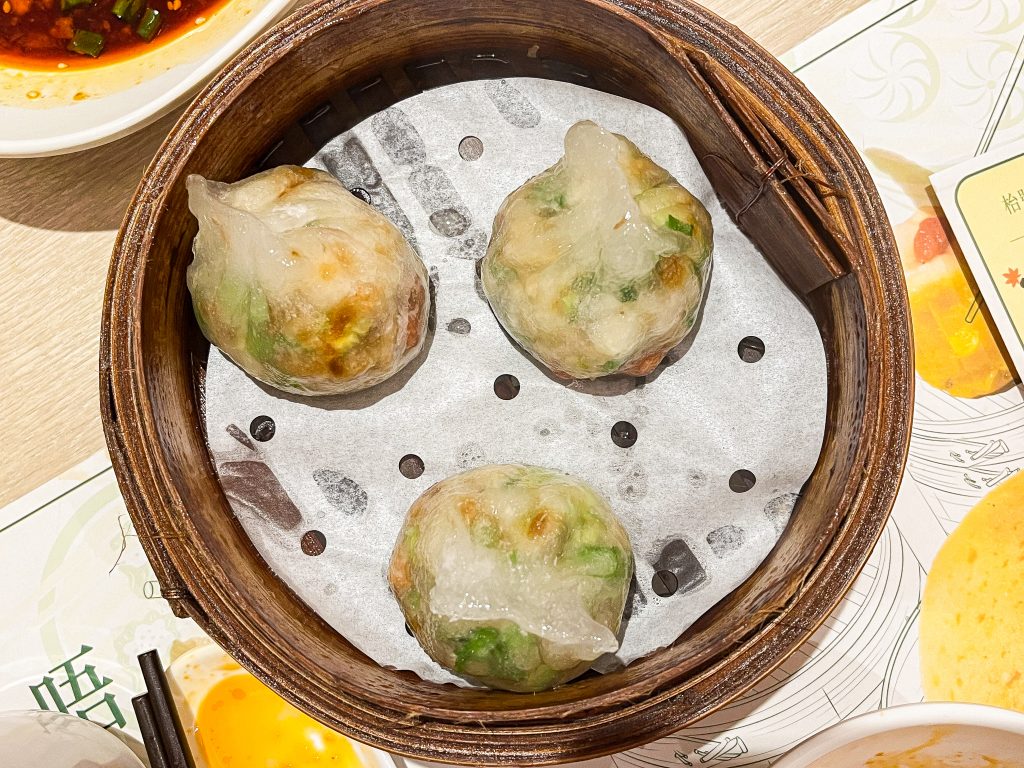
Our favourite dish was the wontons served in a pile of chili sauce. The whole affair cost us less than a single round of beers at Carbon Brews the night before.

Lau Sum Kee (Sham Shui Po, Kowloon) – best bamboo noodles in Hong Kong
We didn’t need another meal after Tim Ho Wan. In fact, we were still carrying leftovers around with us. But we stopped again anyway.
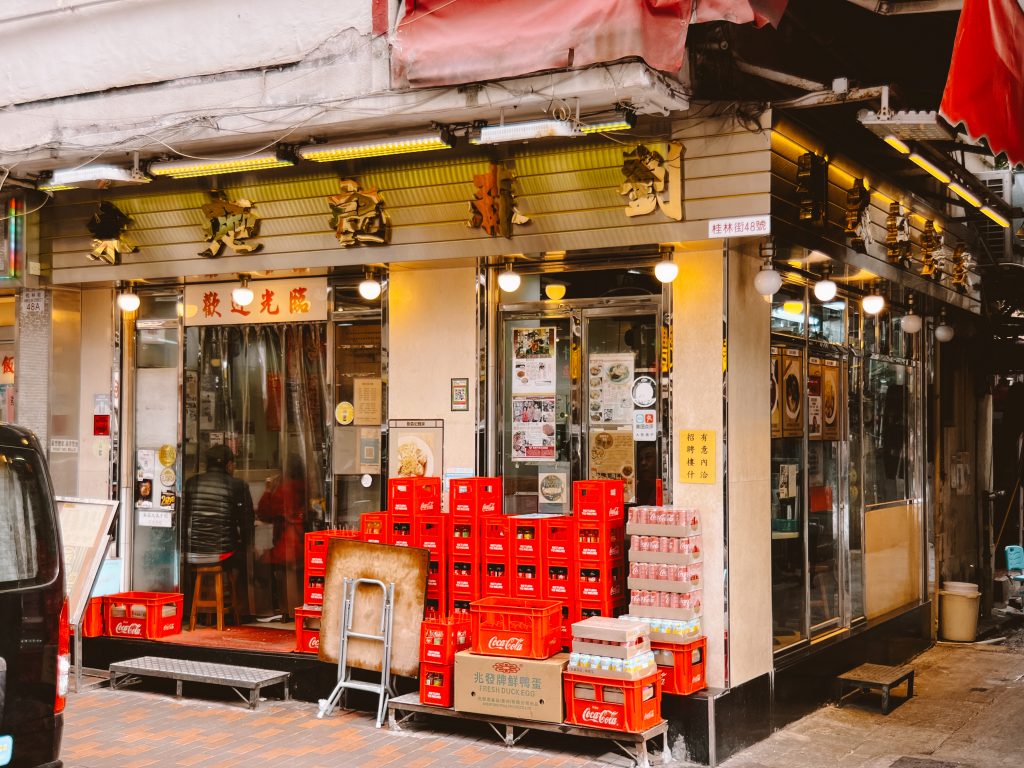
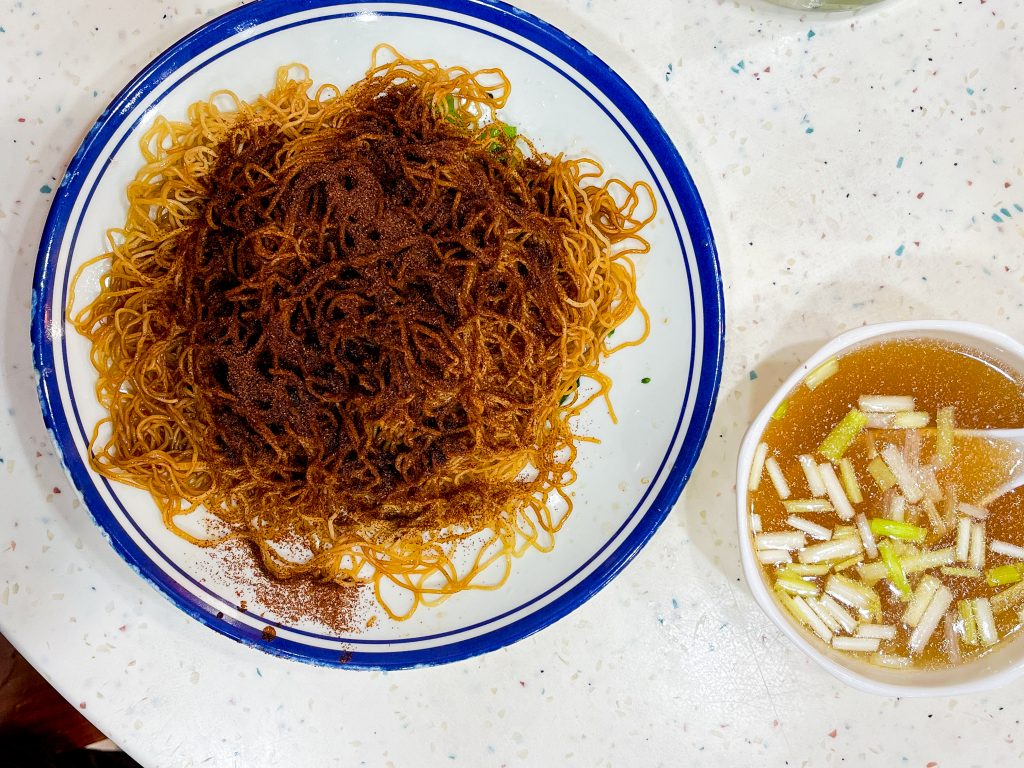
Lau Sum Kee is around the corner from the Tim Ho Wan outpost we visited. The noodles are made in house, rolled with bamboo as per (dying) tradition. I opted for a vegetarian noodle dish which blew my mind. The mushrooms were some of the best mushrooms I have ever eaten. Sam had their house specialty which was a far more adventurous heaping bowl of noodles doused in dried shrimp roe. Had we not just had a full meal, we would have ordered the wontons, too.
Mak An Kee (Central) – best wonton noodle soup in Hong Kong
We walked into a small, narrow restaurant with maybe five tables. This included one at the back being occupied by one of the staff making handmade wontons. This was a ‘breakfast’ noodle stop, so we managed to get one of the other four tables.
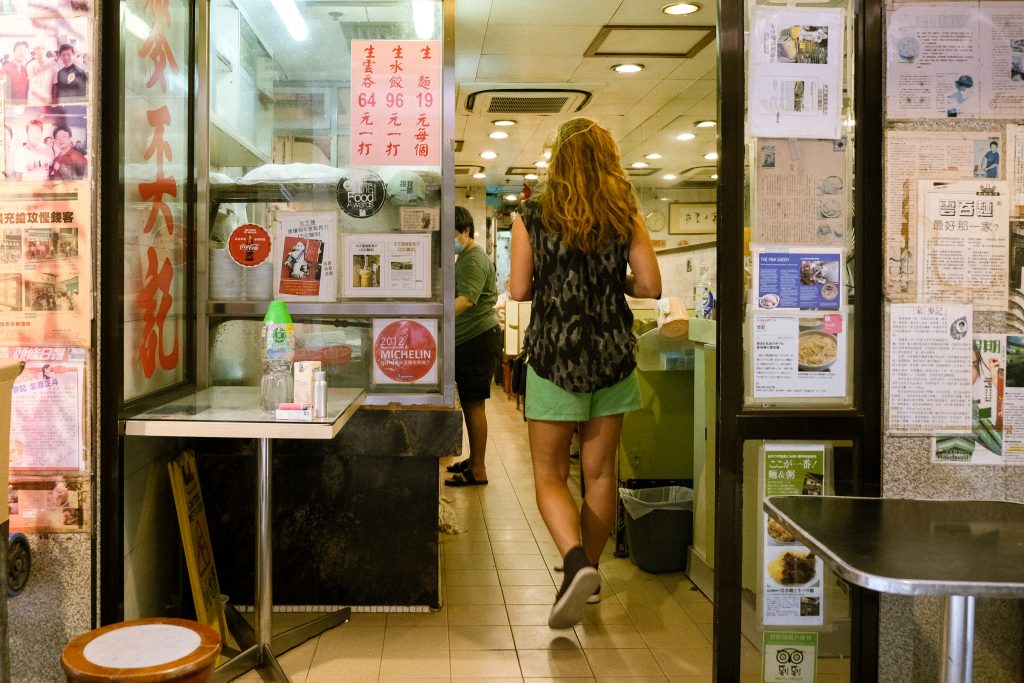
The options were slim, yet they managed to stretch it into quite the four page menu. Allow me to condense it down to the essentials. Noodles in broth; noodles in broth with prawn wonton; noodles in broth with pork and prawn wonton; stir fried gai lan (Chinese broccoli). Or several different sizes and combinations of the above.
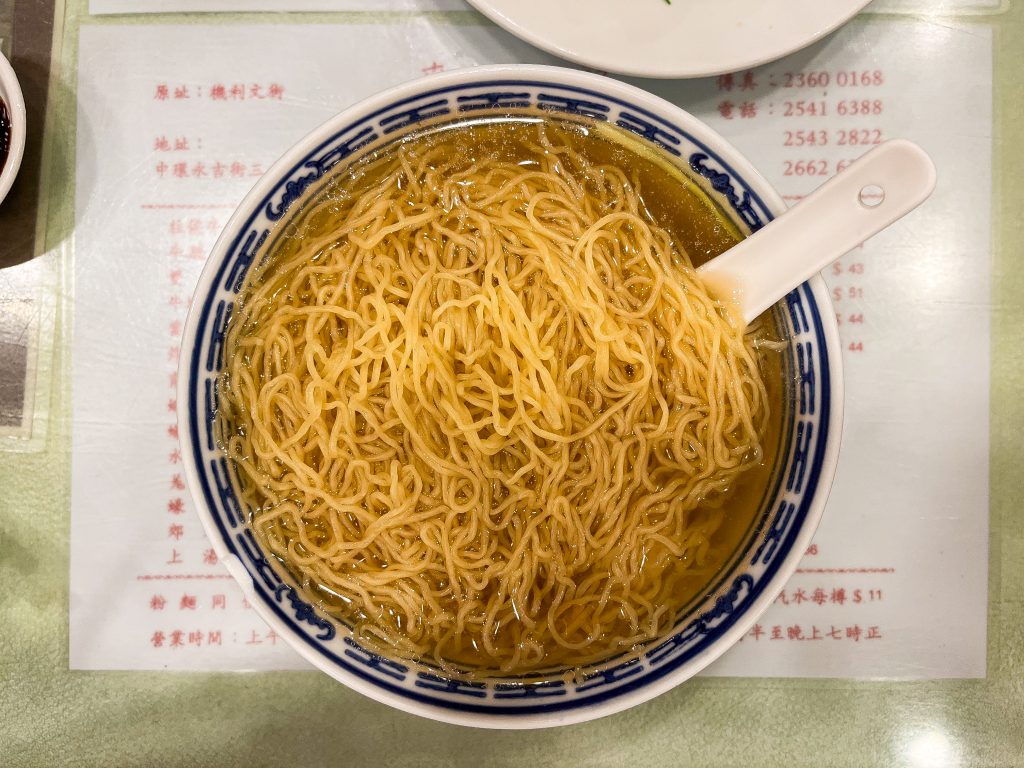

I opted for a large pork and prawn wonton noodle soup, and Sam just the prawn and split a veg. The prawns were so unbelievably fresh and the dish was truly delicious. It cost maybe £6 or £7 each.
Keung Kee Dai Pai Dong
The Dai Pai Dong is a dying restaurant format in Hong Kong. There are a set number of licences which allow these street kitchens to operate and seat patrons on short outdoor tables and stools down the sidewalk.
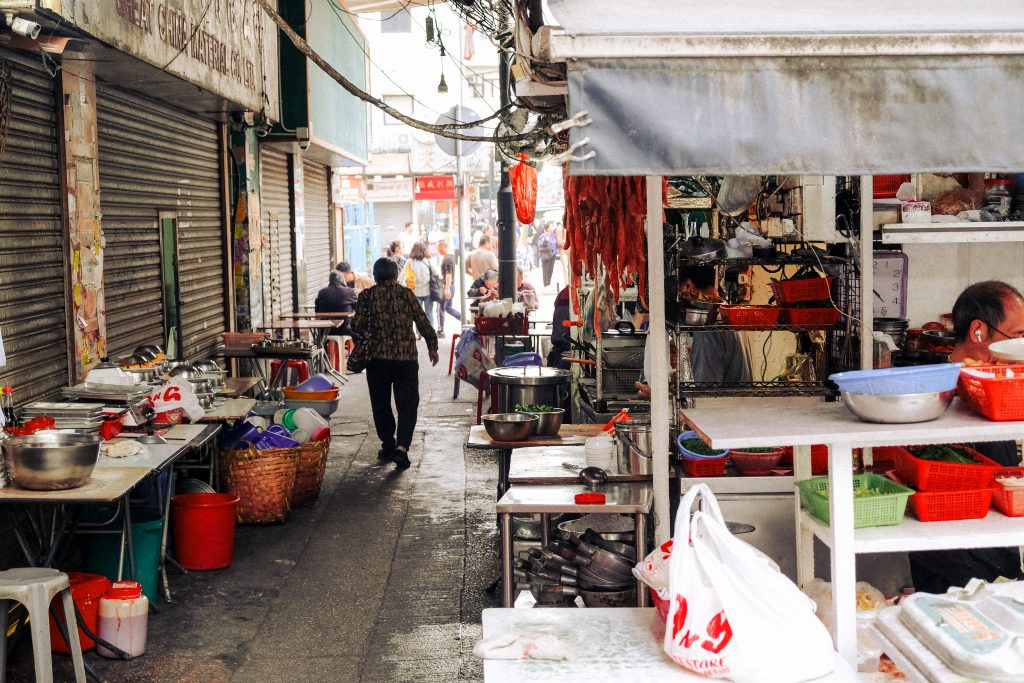
The licences are handed down within the family. If someone decides not to carry on the family business, and the Dai Pai Dong closes, then the license cannot be transfered and another Dai Pai Dong is lost. As a result, there are only a small handful of these left across the city – 17 at the time of our visit.

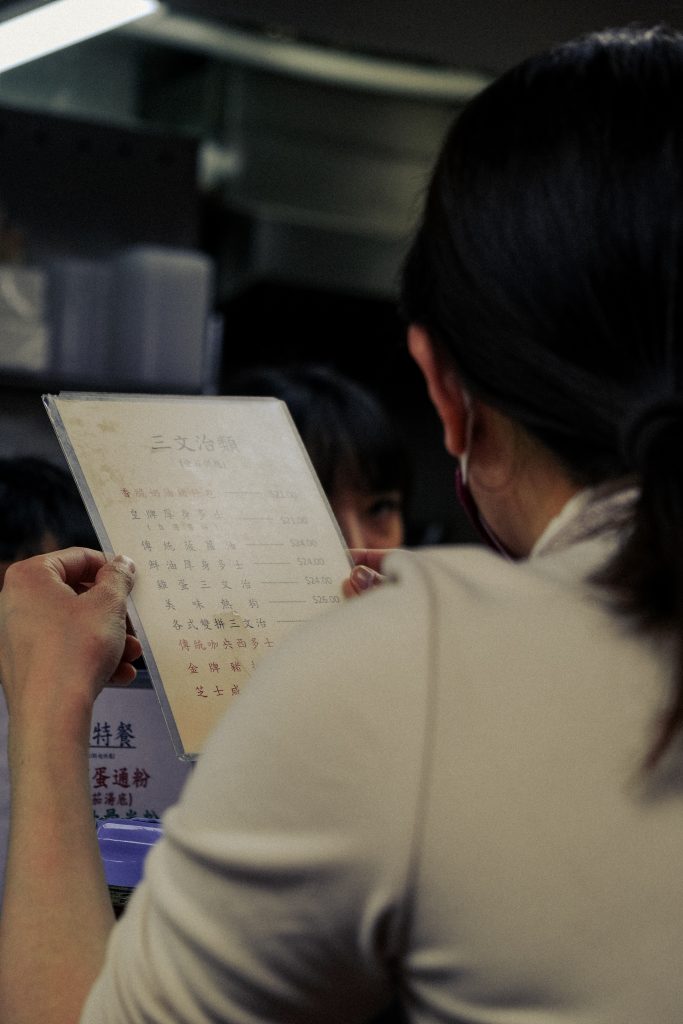
There was no English translation on the menu, and the staff did not speak English. We ordered with Google Translate. The house speciality, which was Hainanese chicken, was truly succulent and delicious.
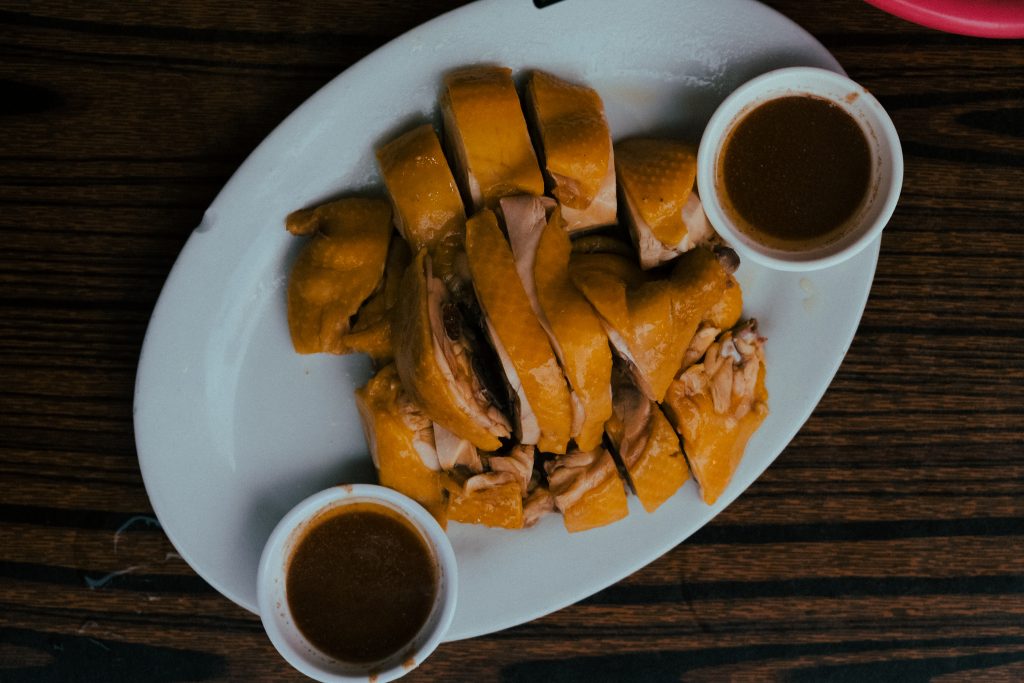
We’re not quite sure what the other dish was, something like a beef noodle hot pot, but that was also good. Had we visited for lunch, we would have ordered the fried chicken. An interesting culinary experience which – while it lasts – is unique to Hong Kong.
Wang Fu – best Pekingese fried dumplings in Hong Kong
A dumpling restaurant which we visited just for a snack. Sam loves pan-fried dumplings but they can be surprisingly hard to find.
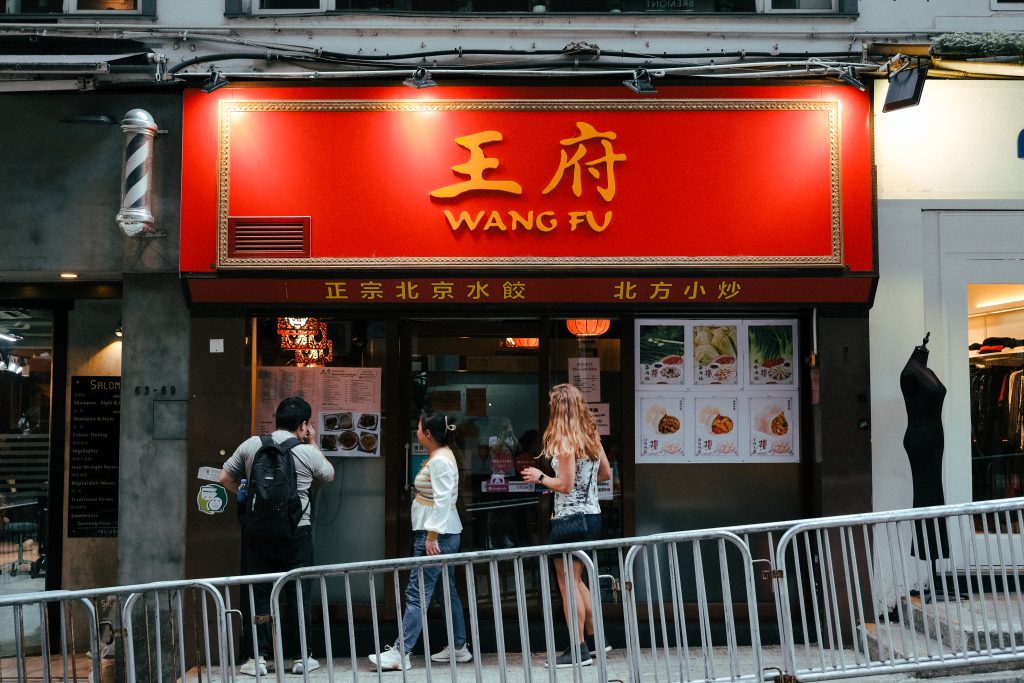
Here, we shared a pork and vegetable dumpling. We opted to pay the extra £1 for the dumplings to be fried and £1.20 each for a can of (off menu) Tsingtao lager served in a paper cup. Top marks for quality, but the restaurant ambiance was eerily quiet on our visit.

Tsim Chai Kee
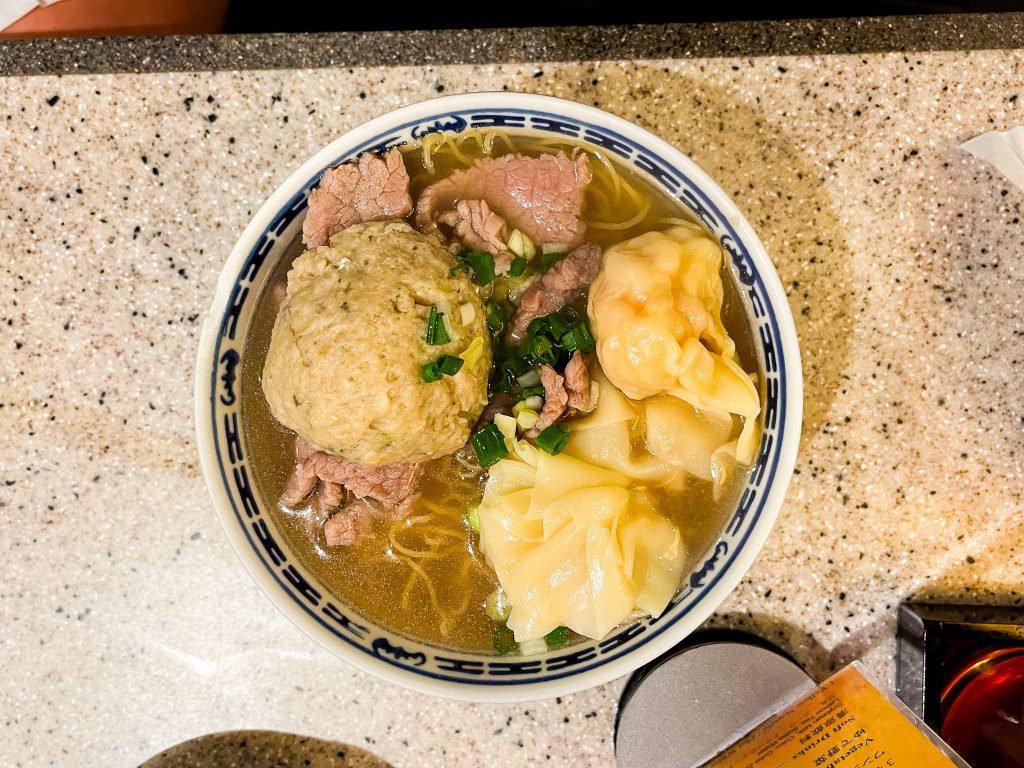
The restaurants with the simplest offering seem to be the best. A handmade noodle restaurant which only has an option of three toppings: fish balls, beef slices, and wontons.

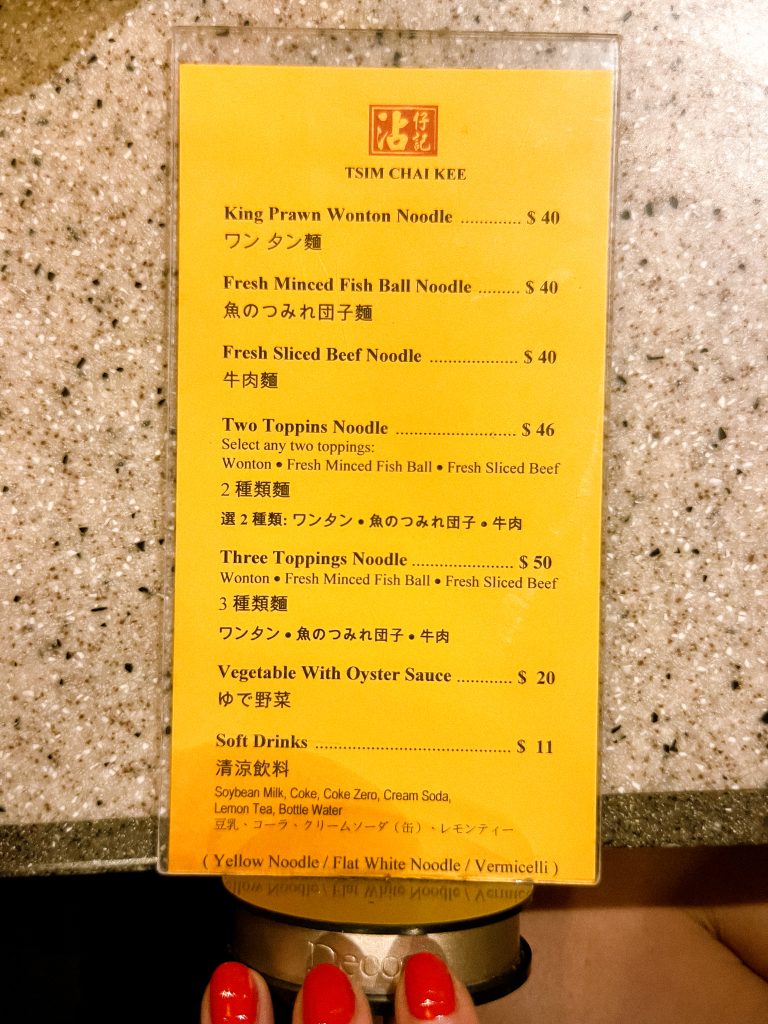
We braced ourselves for a long wait, but it wasn’t long before we were seated next to two couples on a long shared table. I opted for beef and wontons, and Sam went for the trifecta. Delicious. We were in and out in 20 minutes, too – not bad for New Years Eve. Without a doubt some of the best traditional food in Hong Kong.
Lan Fong Yuen
It was New Years Day and we were on our way to the airport to fly to Phuket. We had gone to bed early so we could stop at Lan Fong Yuen on our way in.
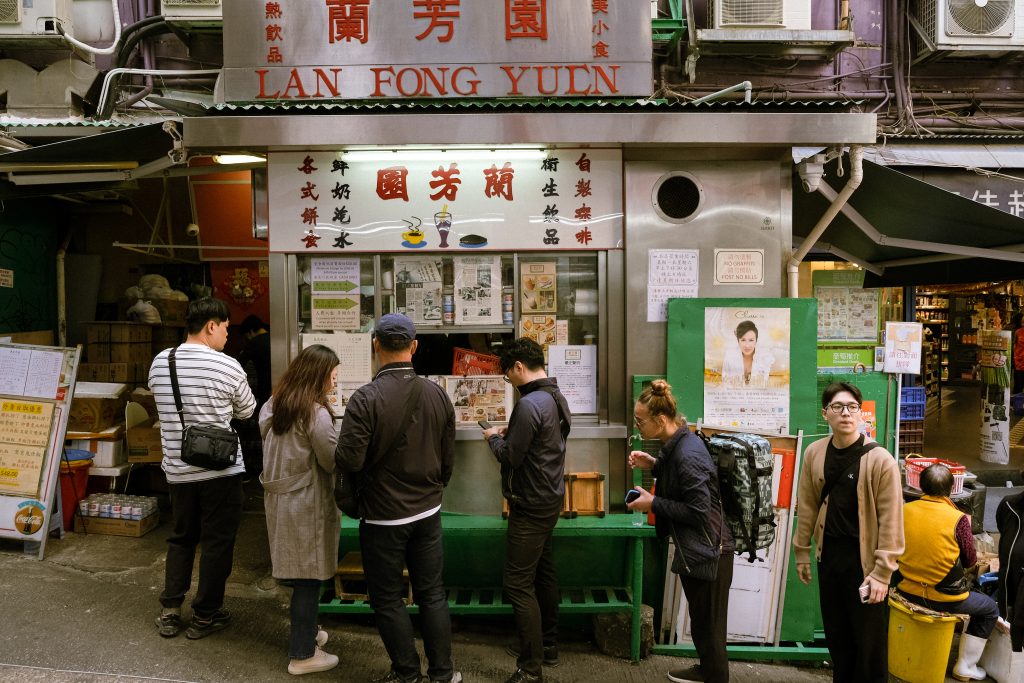
This was a ‘workers’ breakfast’ similar to a greasy spoon in England which would serve you a slice of bacon between cakey slices of white bread. In Hong Kong they are called cha chaan tengs – or tea restaurants.
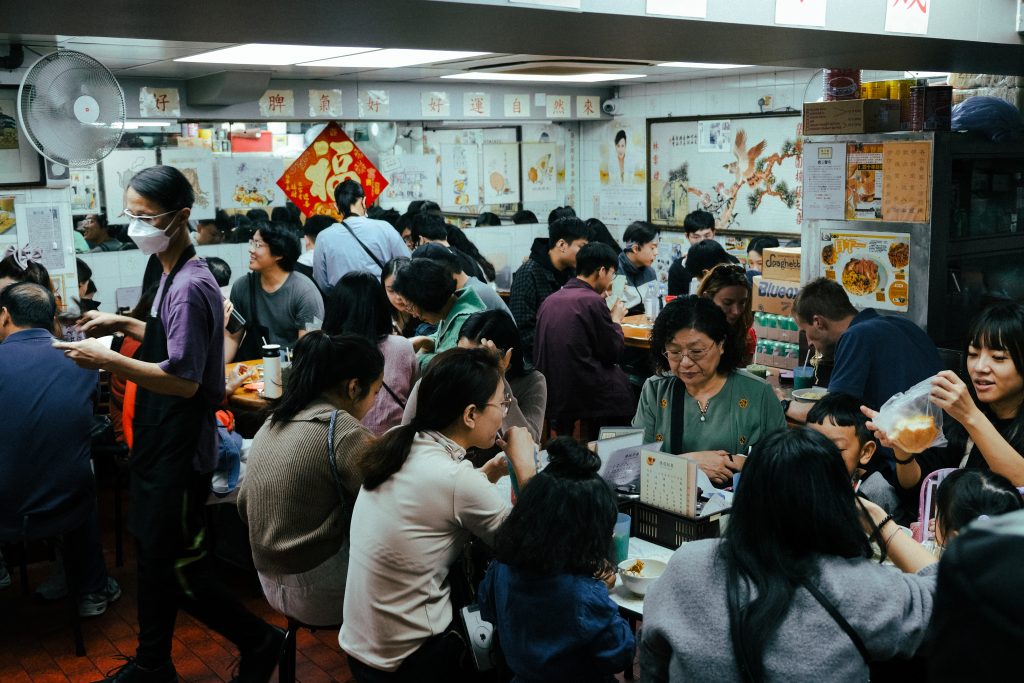
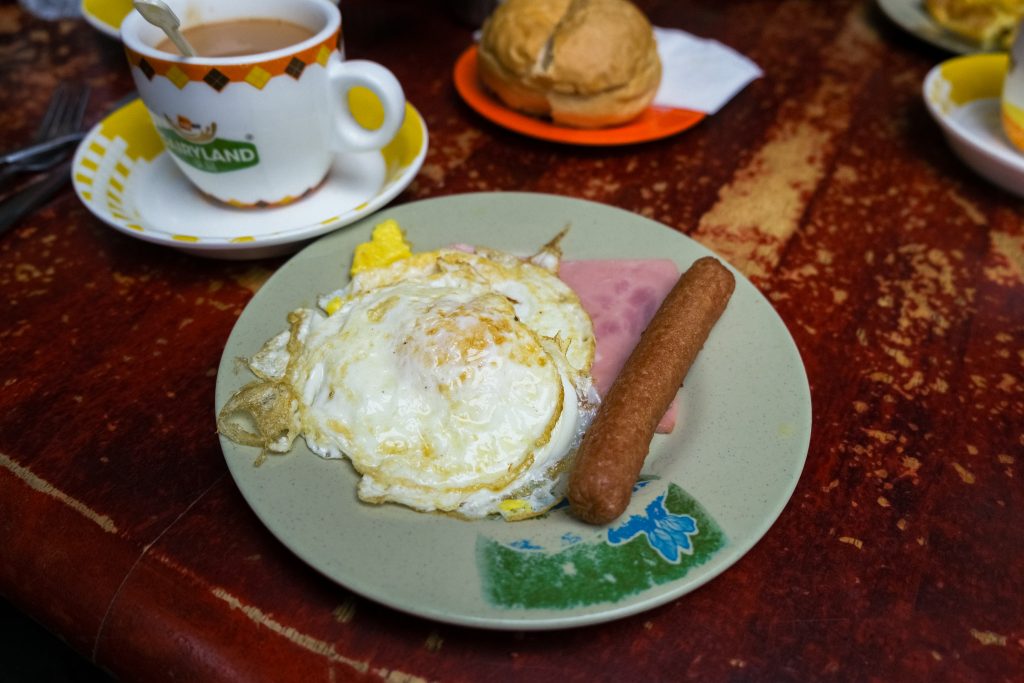
Sam and I got seated at a table with a large family. I accidentally ordered noodles in a mysterious white broth topped with chicken. Sam had a milk tea, pineapple bun, and traditional ‘fry up.’ Whilst the food in and of itself may not be some of the best in Hong Kong, the experience is unmissable and we urge you to visit a cha chaan teng to get a taste of this cultural gem.